Preparing audio…
The map changes again. Lio watches as the weathered parchment ripples in his hands, new paths appearing where there were none before.
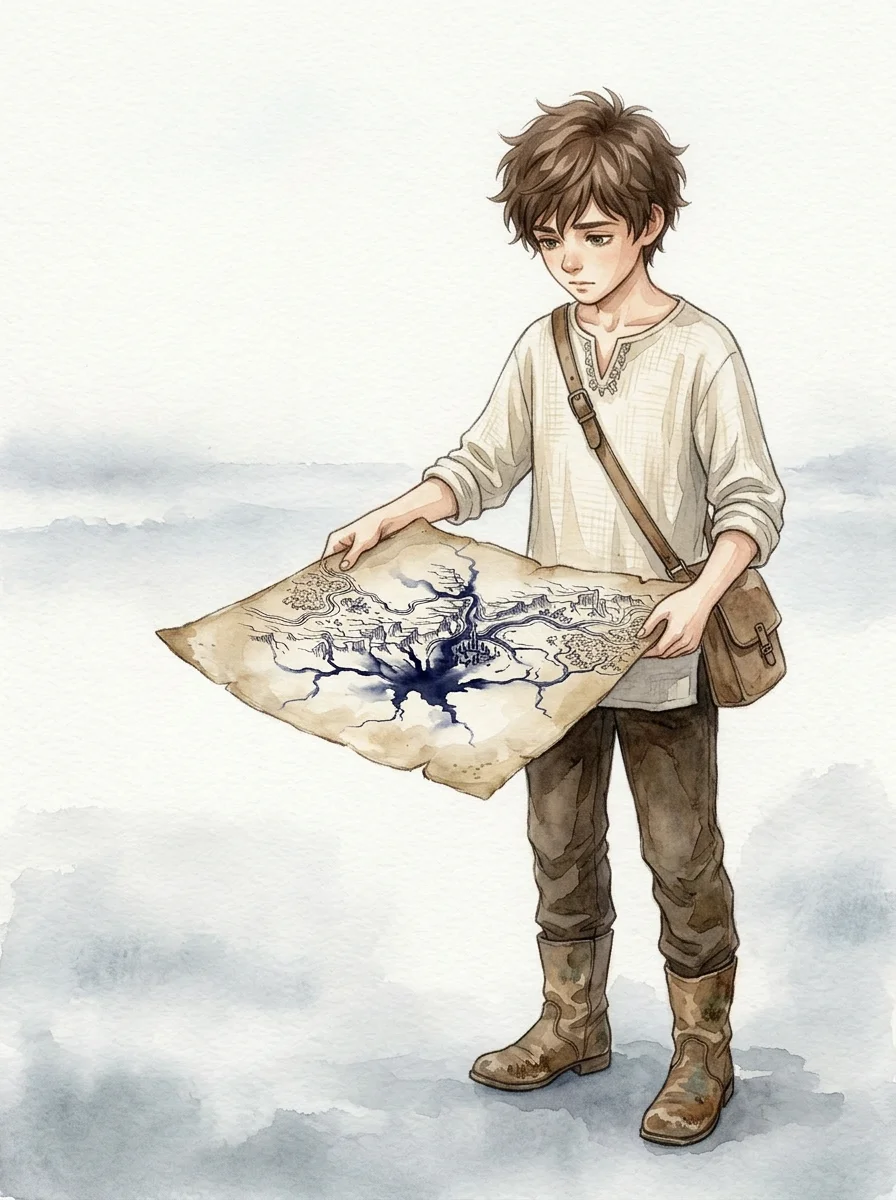
The map changes again. Lio watches as the weathered parchment ripples in his hands, new paths appearing where there were none before.
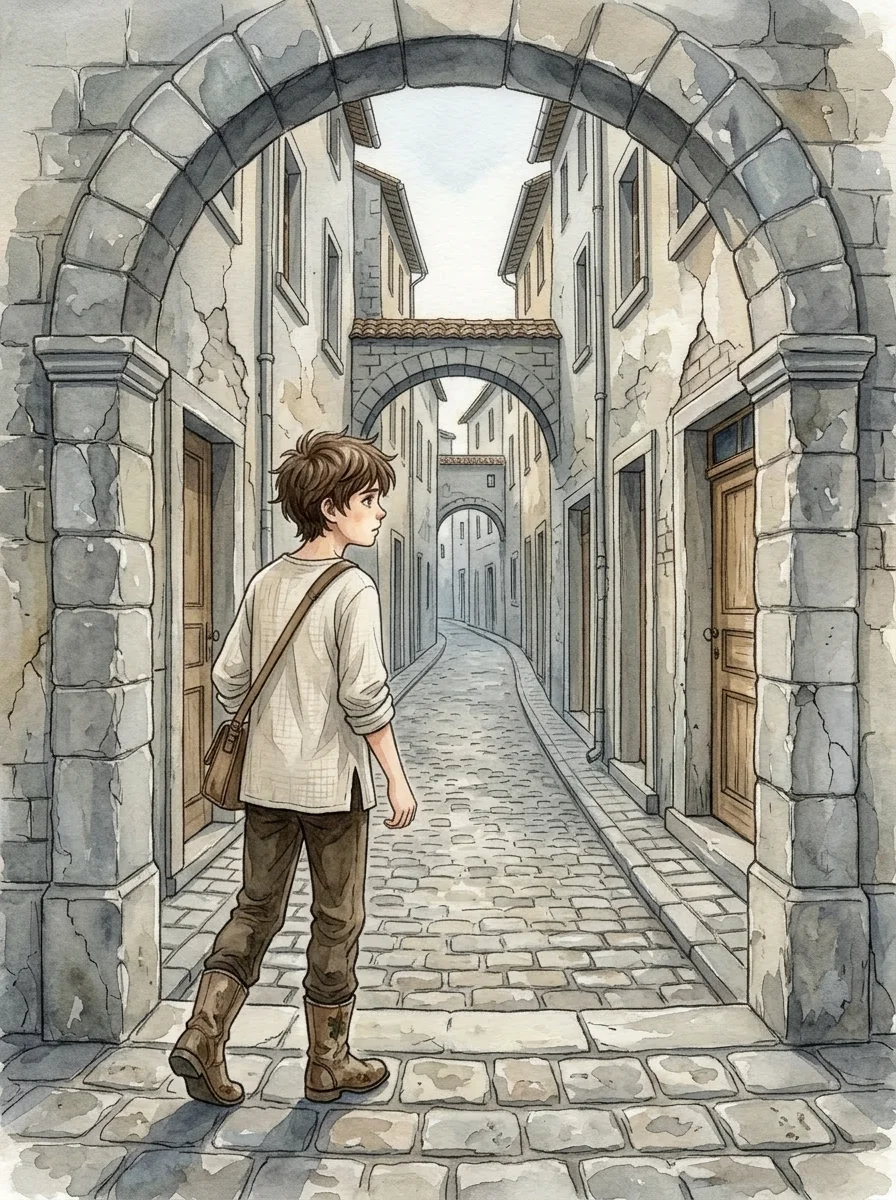
The map leads Lio to a quiet city where nothing moves. Buildings line empty streets, and a heavy silence hangs in the air.
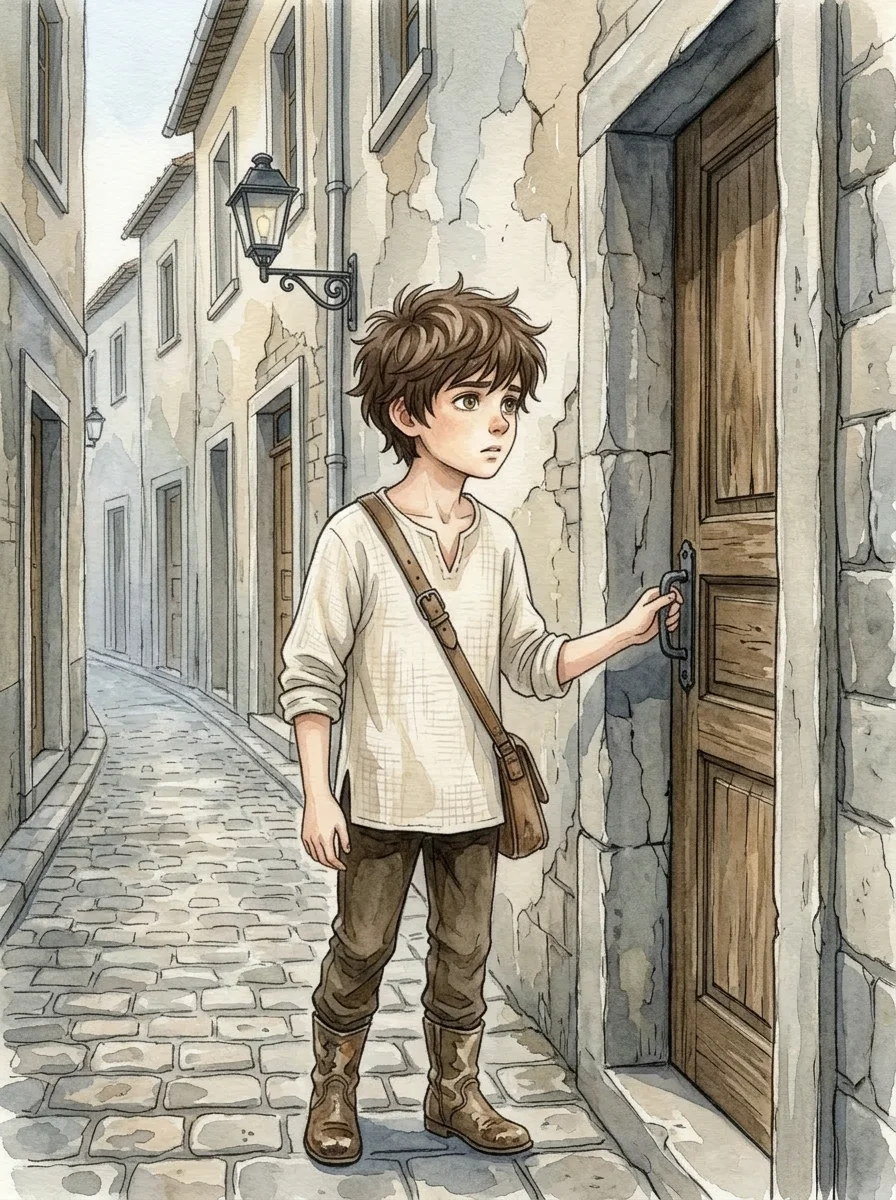
Every building holds something sealed inside. Lio notices that there are no people here, only rows of closed wooden doors.
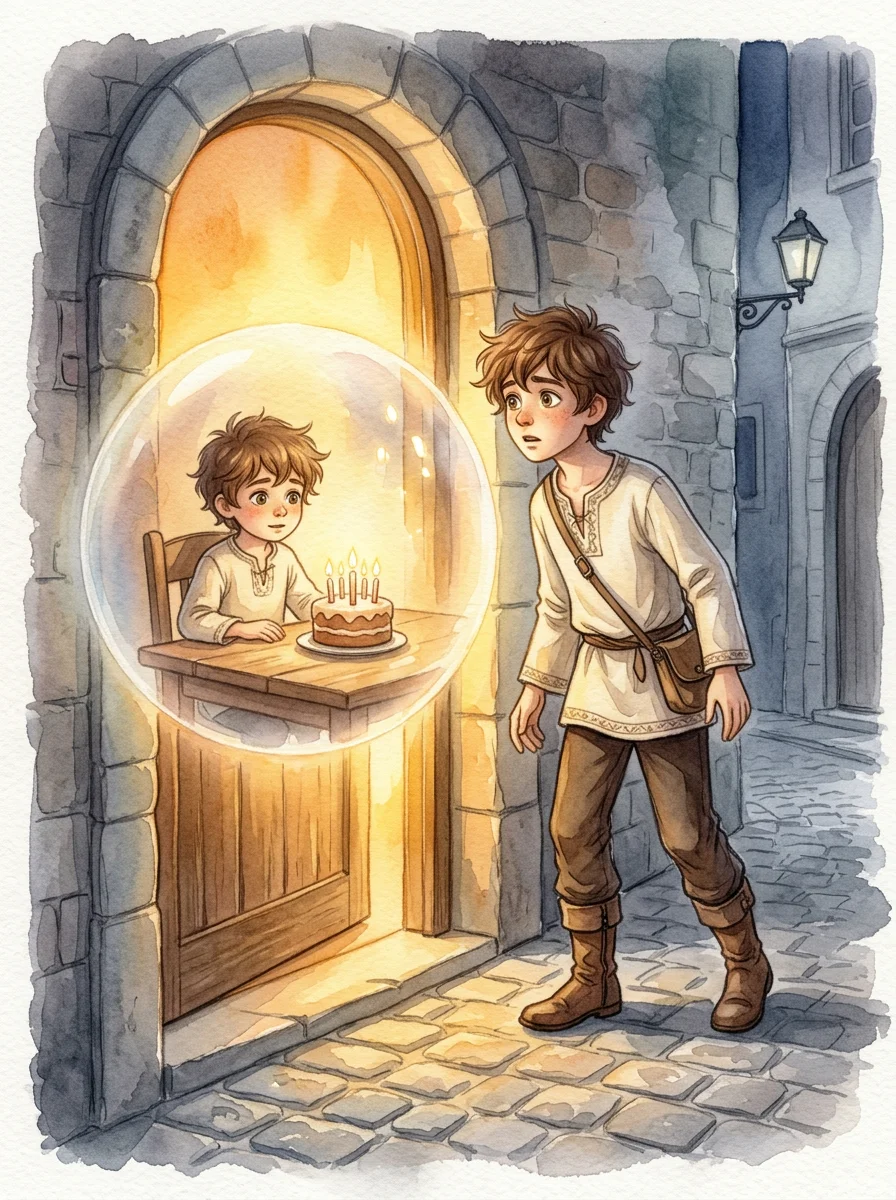
When he opens a door, he doesn’t find furniture or people—he finds moments. Inside one room, a forgotten birthday party glows with warm light.
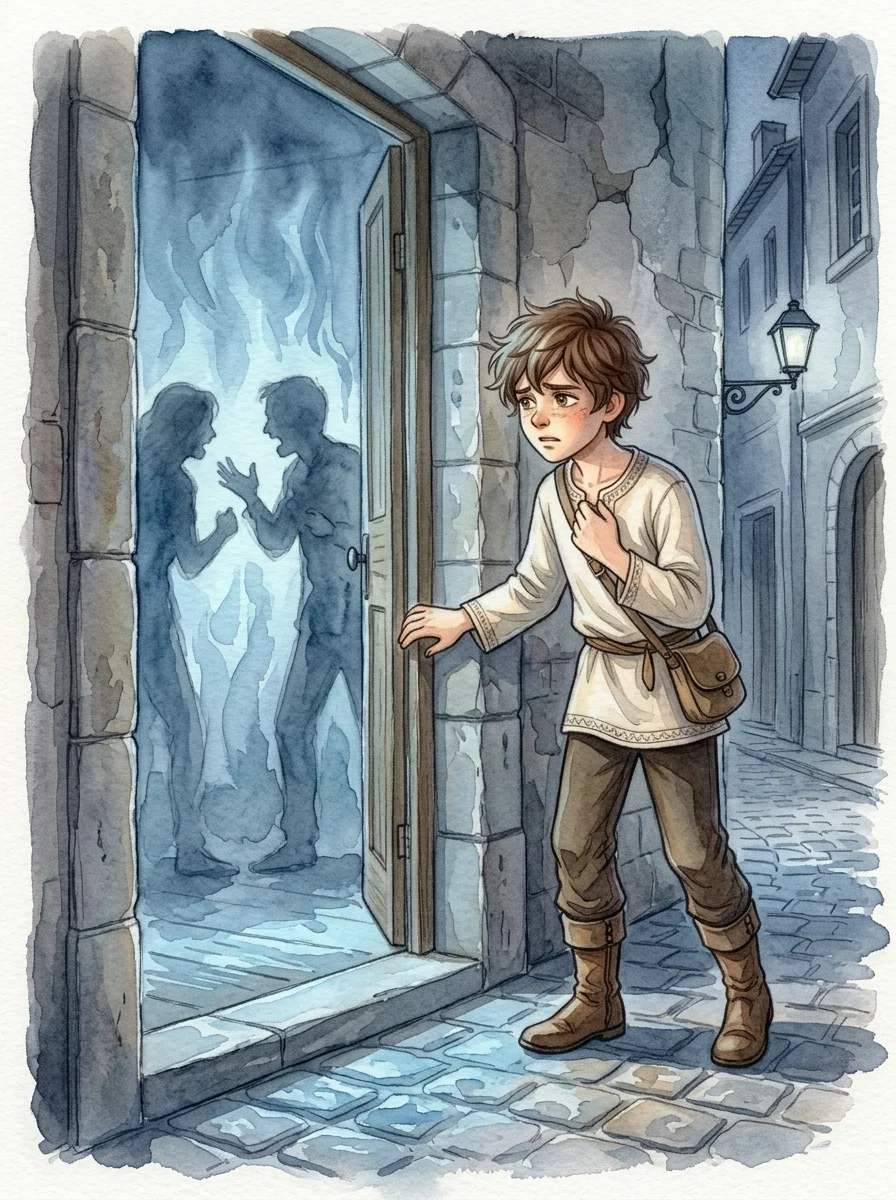
Another door reveals a small argument that lasted longer than it should have. The memory is sharp and cold, vibrating with old emotions.
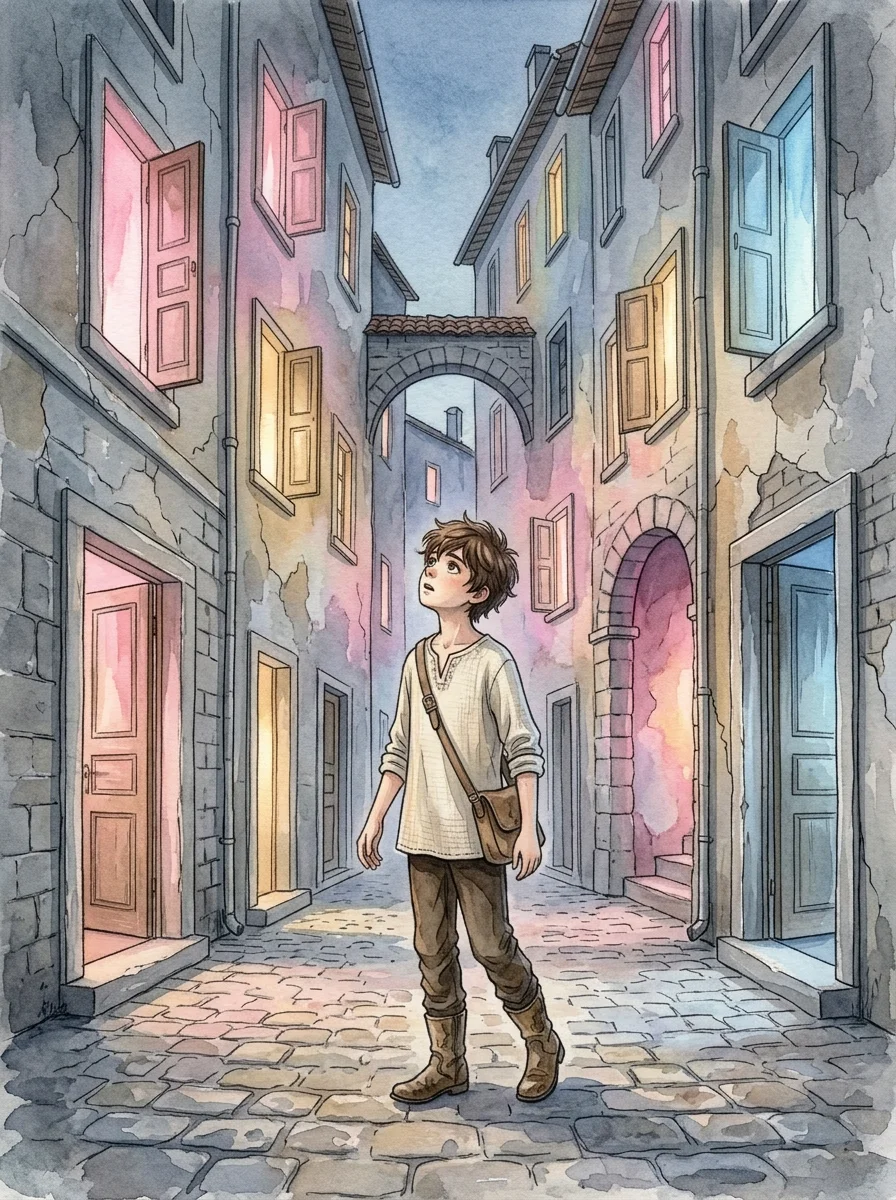
This is where memories live. Lio realizes that each room is a piece of his history, some bright and others faded at the edges.
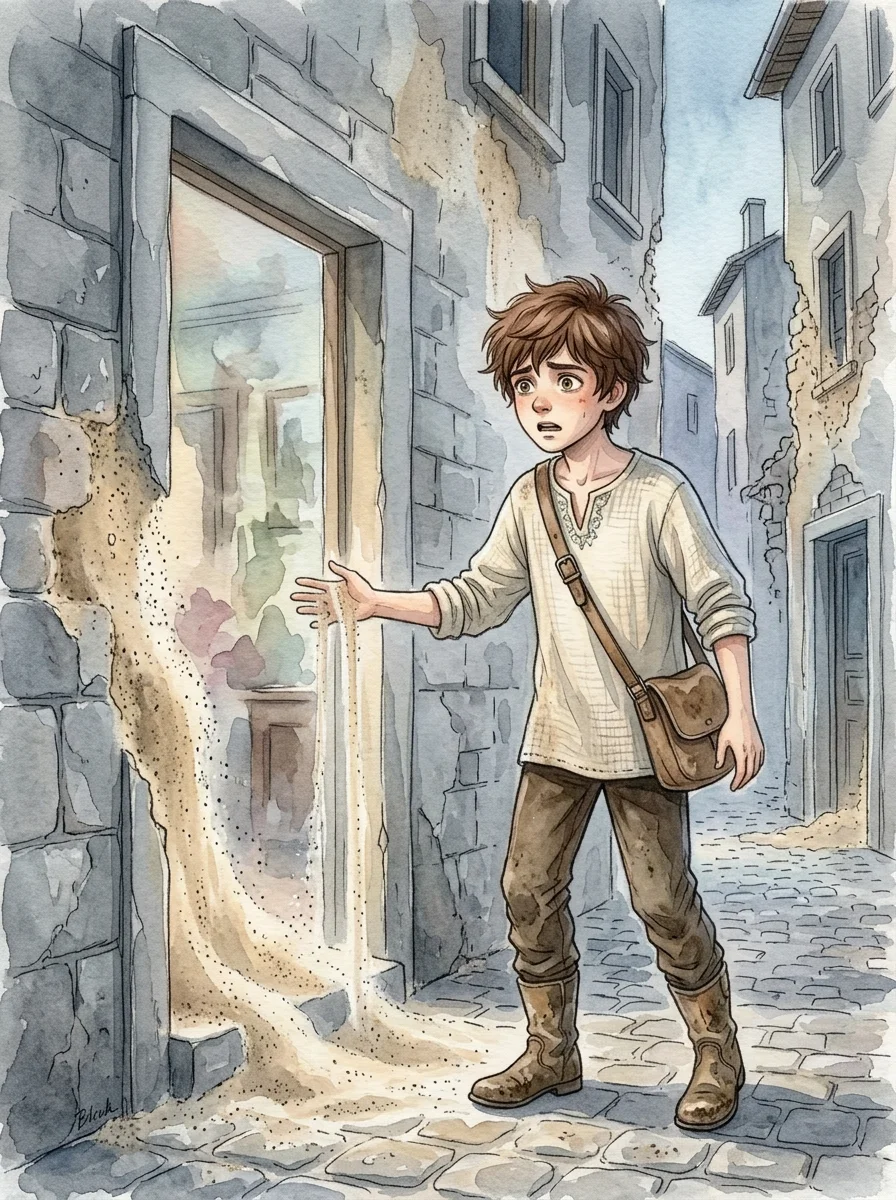
But soon, he notices something unsettling: some rooms are crumbling. Their details are slipping away, like sand through fingers.
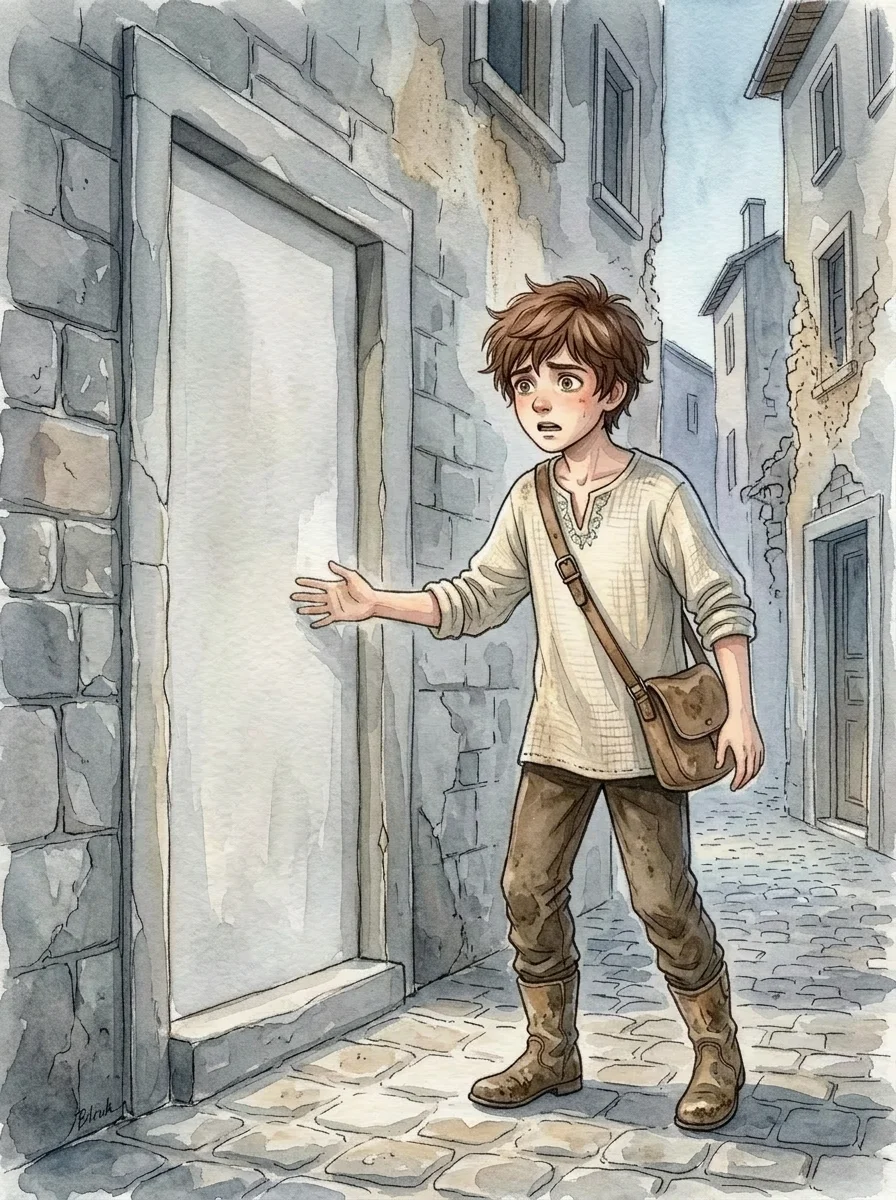
And one room is missing entirely. Lio can feel the shape of it, like a word on the tip of his tongue, but the door is gone.
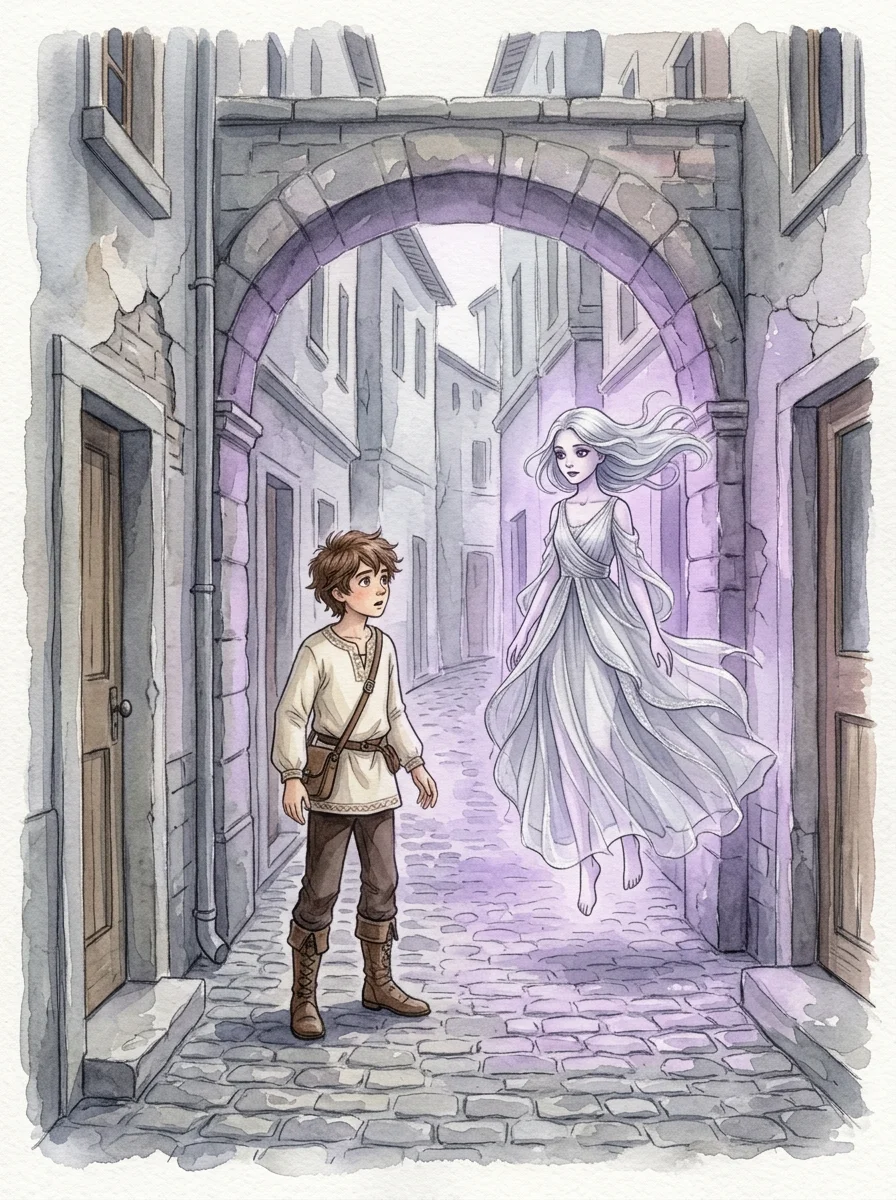
Under a stone archway, Lio meets a girl. She looks like him but is ethereal, with hair that floats like silk in water.
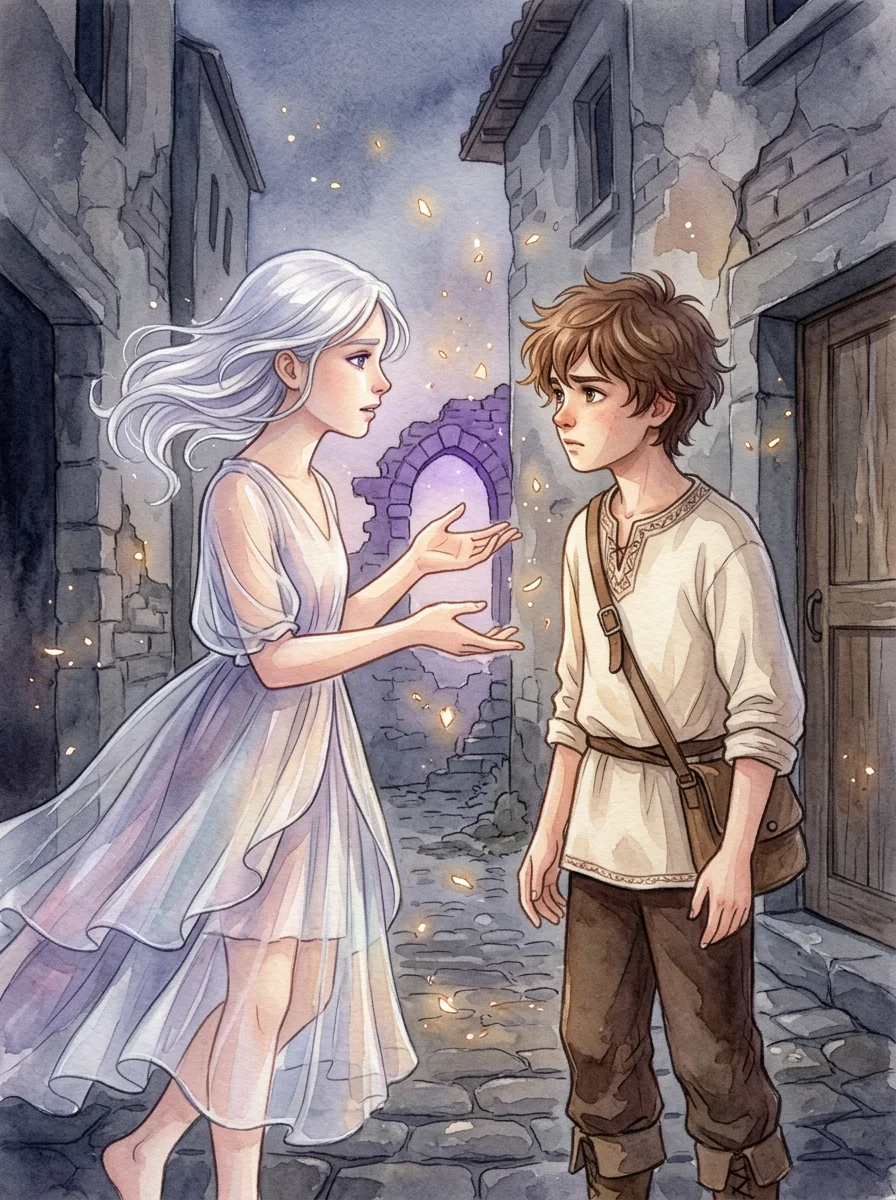
She remembers too much—fragments of other lives. She warns Lio that holding onto everything is not the same as understanding it.
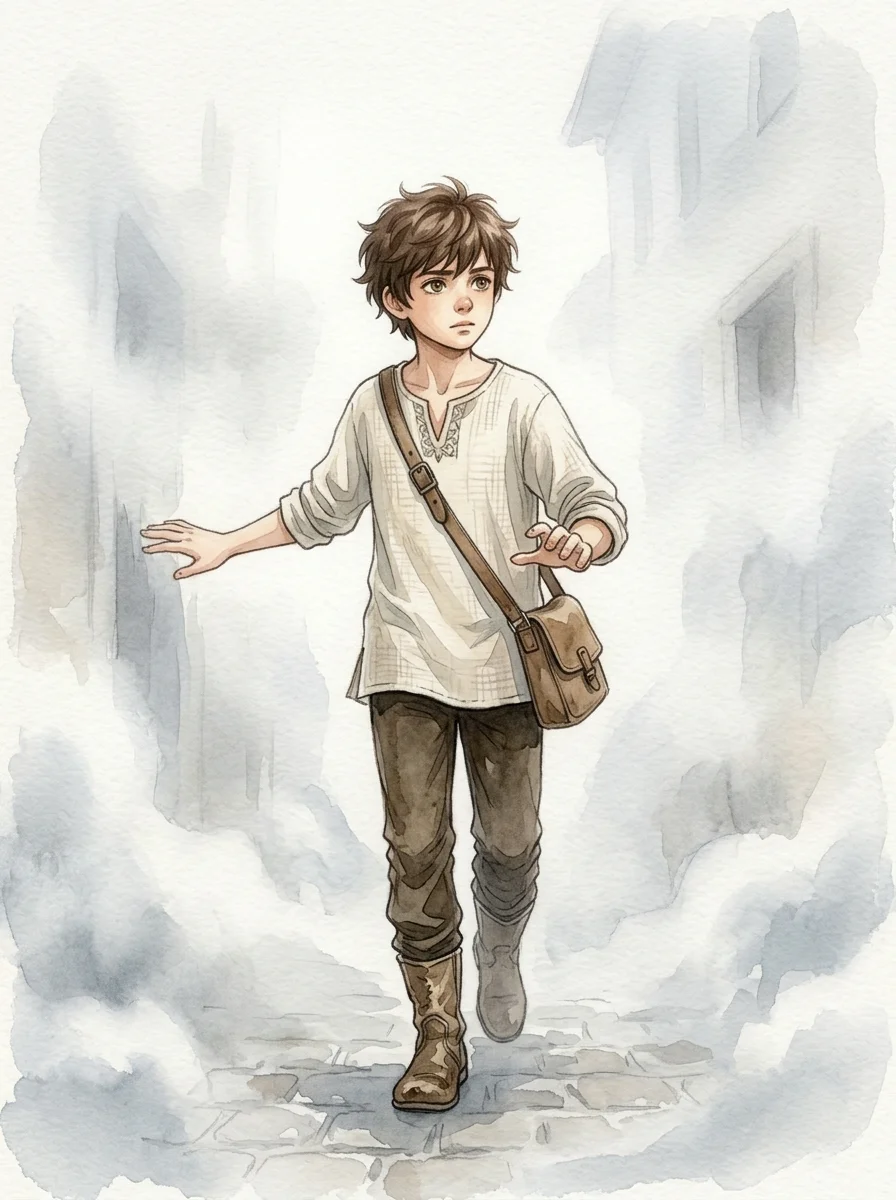
Lio searches for the missing memory. He wanders into a part of the city where the stone is replaced by a thick, swirling mist.
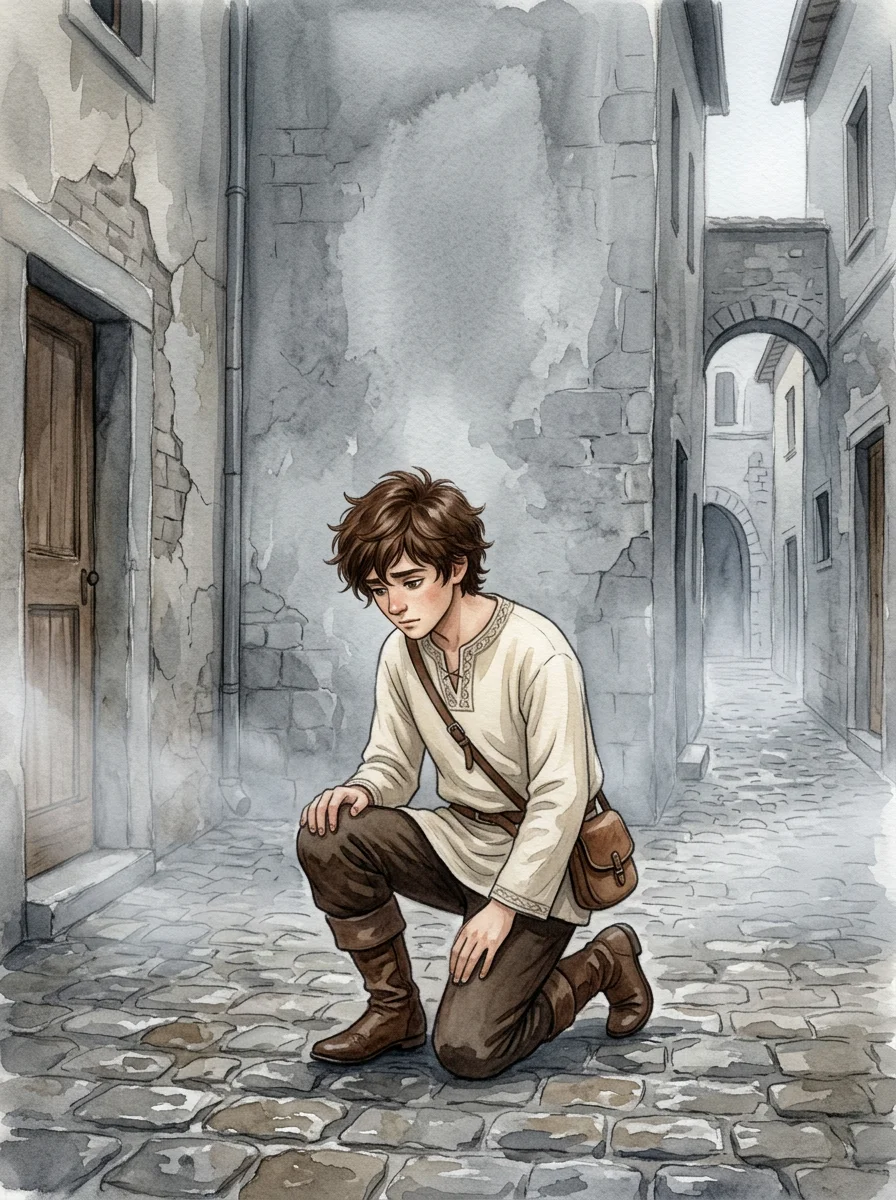
He realizes the memory was never fully formed. It was something he avoided, a truth he chose not to see clearly at the time.
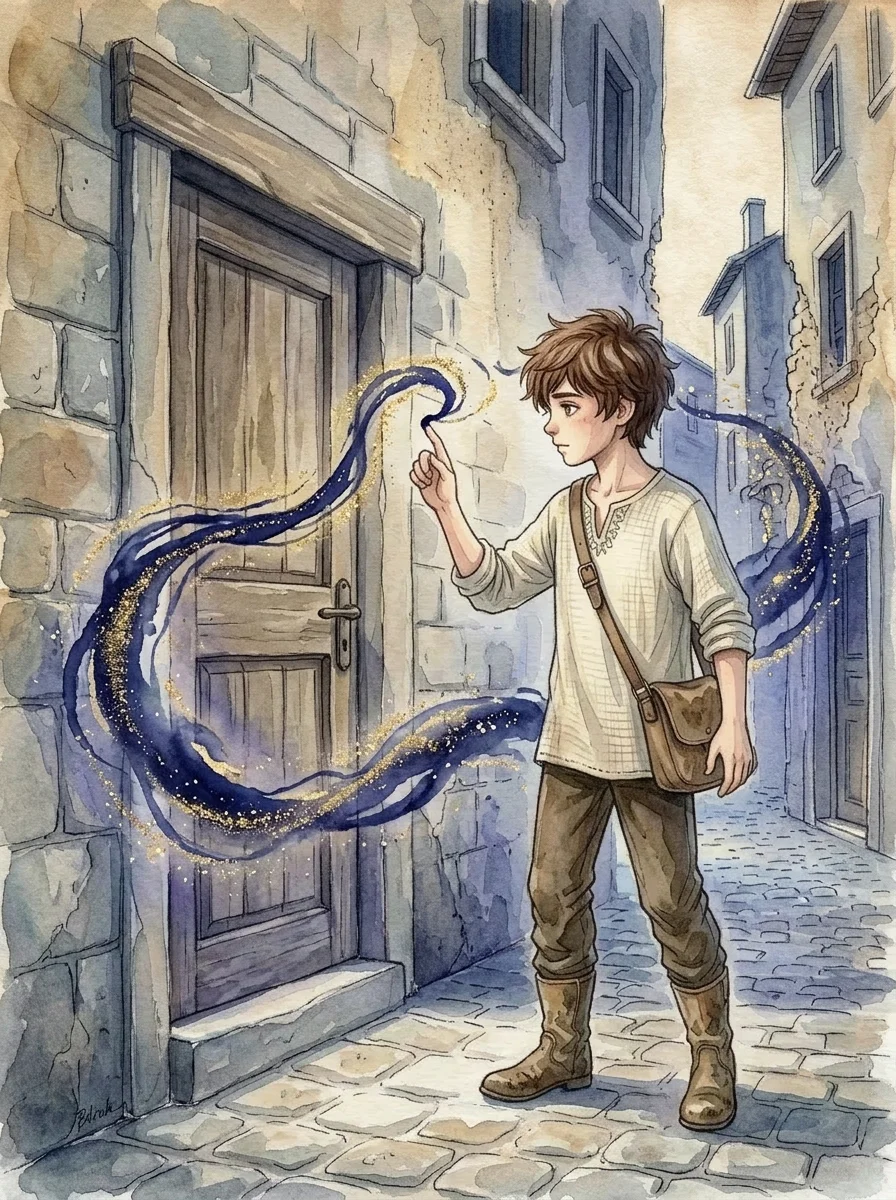
So he rebuilds it—not perfectly, but honestly. Using the map's shifting ink, he draws the memory back into the world.
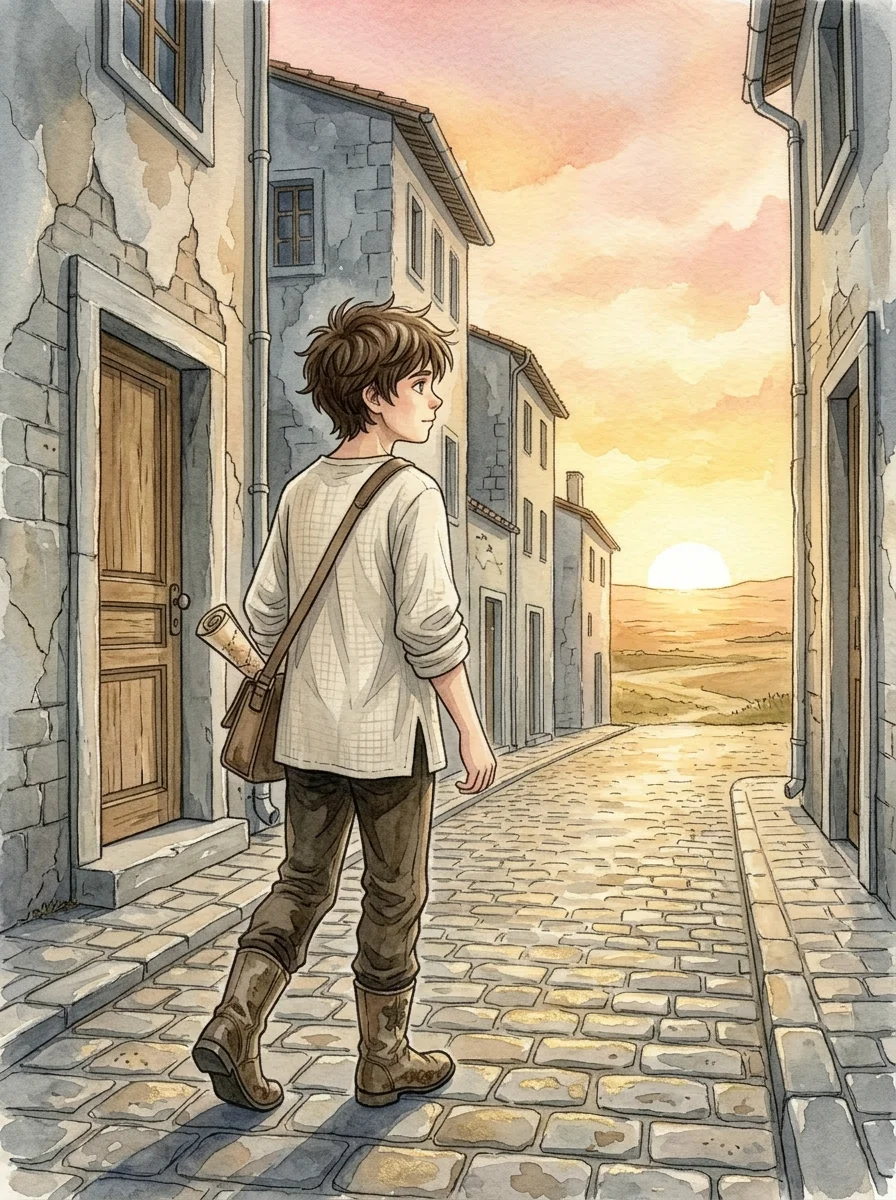
Lio understands that memories change and fade, but choosing how to carry them is part of growing up. He leaves the city behind.